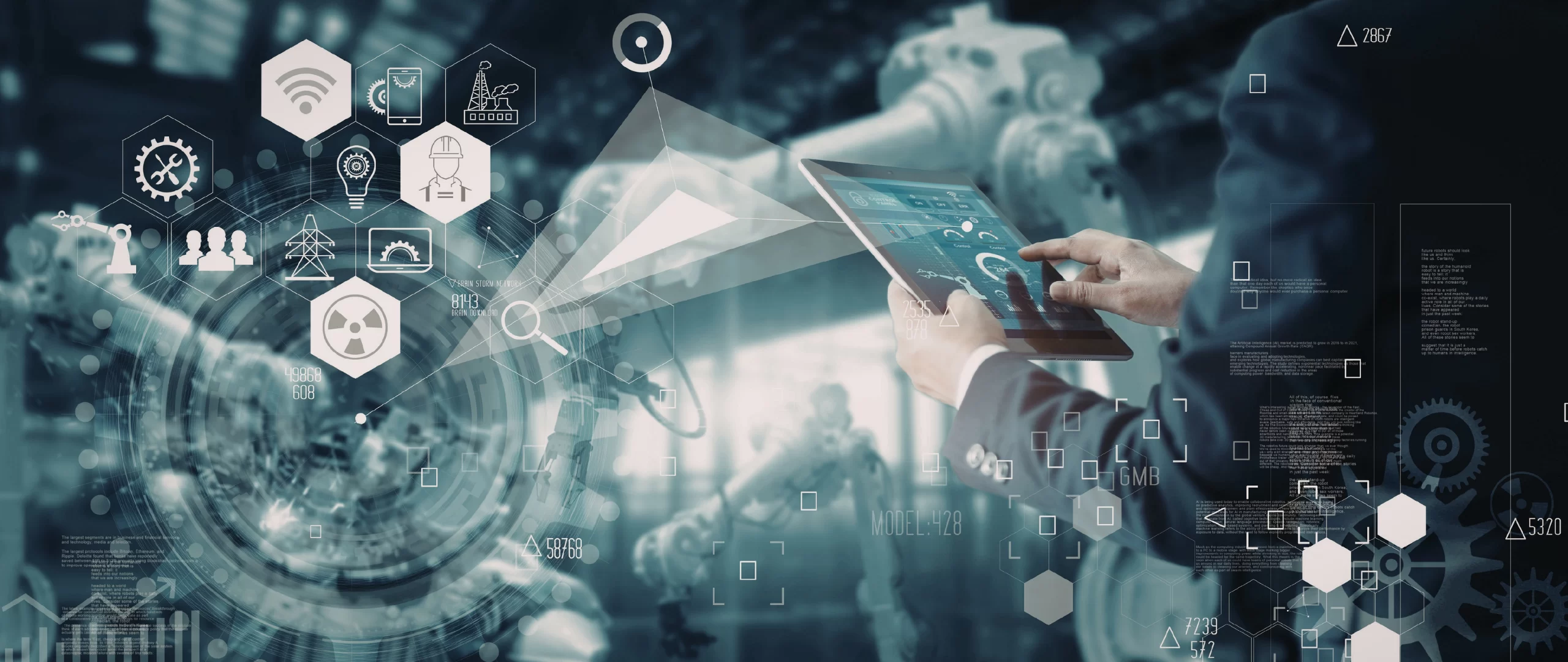
The role of digital technologies in education has long been debated. First computers, then the internet, then online platforms, and now AI-powered tools… Each new wave of technology promises to transform learning processes. However, this transformation doesn’t always produce the expected results. The fundamental issue we face in education today is not whether technology exists; it is how it relates to knowledge, learning, and thinking.
AI-powered systems are significantly changing how students access information. Text-generating tools, automated summaries, recommendation systems, and personalised learning platforms are speeding up both the presentation and use of information. This speed may seem advantageous in some respects. However, considering that the learning process is not limited to accessing information, this raises new questions. When information becomes so easily accessible, how do students evaluate, internalise, and question it?
At this point, the concept of media literacy regains importance. For a long time, media literacy was considered primarily as the ability to distinguish misinformation or question news sources. However, in the digital environment, information is no longer produced solely by humans; Algorithms, datasets, and automated systems are also becoming active actors in this process. This more closely links media literacy to the ability to understand technological processes and recognise unseen mechanisms.
In the context of education, this transformation makes it difficult for students to remain passive recipients of information. AI tools can facilitate the learning process by offering ready-made answers and quick solutions. However, this ease also carries the risk of superficialising the thinking process. If students do not question how information is produced, what assumptions it is based on, and what limitations it has, the learning process can become merely a results-oriented practice.
Media literacy emerges here as a kind of balancing element. The aim is not to reject technology or completely remove it from the learning process. Rather, it is to place technology within a critical framework. Instead of students accepting outputs from AI as absolute truths, it becomes important for them to be able to discuss, compare, and contextualize these outputs. This approach redefines learning not only as the acquisition of information but also as a process of making sense of it.
This transformation also affects the role of teachers. Teachers are no longer just transmitters of information; they are becoming guides who collaboratively analyse, question, and discuss the content students encounter in the digital environment. At this point, media literacy is moving beyond being a separate subject and transforming into a skill set that permeates various disciplines. The source of an image used in a history lesson, the production process of a text analysed in a literature lesson, or the algorithmic logic of a simulation used in a science lesson can all become part of the learning process.
Another significant impact of artificial intelligence on education is its shift in the perception of the authority of information. While in traditional educational settings, information is usually transmitted through teachers or textbooks, in the digital environment, this authority becomes more fragmented. Students can receive different answers to the same question from different platforms. This weakens the idea of the certainty of information while increasing the need for critical evaluation. Media literacy stands out as a tool that enables navigation in this environment of uncertainty.
However, there is an important point to consider in this process: Media literacy should not become a “defence mechanism” that expects students to be constantly on alert. Otherwise, the digital environment may be perceived as a constantly threatening space. Instead, media literacy should be approached as an opportunity to encourage curiosity, questioning, and experimentation. When used within the right framework, artificial intelligence tools can support learning; however, this support should not replace critical thinking.
Strengthening media literacy in education can help students develop a more balanced relationship with technology in the long run. This balance is based neither on an optimism that idealises technology nor on a scepticism that completely rejects it. Rather, it involves an approach that focuses on understanding technology, recognising its limitations, and using it consciously. Such an approach can prepare students not only for today’s digital environment but also for the more complex information ecosystems they will encounter in the future.
In conclusion, in the age of artificial intelligence, education is not transformed simply by introducing new tools into the classroom. The real transformation is about how information is approached, how information is questioned, and how learning is defined. Media literacy is at the heart of this transformation.
Harvard Graduate School of Education. (2024, April 24). Media literacy education and AI.
Related Posts


The role of digital technologies in education has long been debated. First computers, then the internet, then online platforms, and now AI-powered tools… Each new wave of technology promises to transform learning processes. However, this transformation doesn’t always produce the expected results. The fundamental issue we face in education today is not whether technology exists; it is how it relates to knowledge, learning, and thinking.
AI-powered systems are significantly changing how students access information. Text-generating tools, automated summaries, recommendation systems, and personalised learning platforms are speeding up both the presentation and use of information. This speed may seem advantageous in some respects. However, considering that the learning process is not limited to accessing information, this raises new questions. When information becomes so easily accessible, how do students evaluate, internalise, and question it?
At this point, the concept of media literacy regains importance. For a long time, media literacy was considered primarily as the ability to distinguish misinformation or question news sources. However, in the digital environment, information is no longer produced solely by humans; Algorithms, datasets, and automated systems are also becoming active actors in this process. This more closely links media literacy to the ability to understand technological processes and recognise unseen mechanisms.
In the context of education, this transformation makes it difficult for students to remain passive recipients of information. AI tools can facilitate the learning process by offering ready-made answers and quick solutions. However, this ease also carries the risk of superficialising the thinking process. If students do not question how information is produced, what assumptions it is based on, and what limitations it has, the learning process can become merely a results-oriented practice.
Media literacy emerges here as a kind of balancing element. The aim is not to reject technology or completely remove it from the learning process. Rather, it is to place technology within a critical framework. Instead of students accepting outputs from AI as absolute truths, it becomes important for them to be able to discuss, compare, and contextualize these outputs. This approach redefines learning not only as the acquisition of information but also as a process of making sense of it.
This transformation also affects the role of teachers. Teachers are no longer just transmitters of information; they are becoming guides who collaboratively analyse, question, and discuss the content students encounter in the digital environment. At this point, media literacy is moving beyond being a separate subject and transforming into a skill set that permeates various disciplines. The source of an image used in a history lesson, the production process of a text analysed in a literature lesson, or the algorithmic logic of a simulation used in a science lesson can all become part of the learning process.
Another significant impact of artificial intelligence on education is its shift in the perception of the authority of information. While in traditional educational settings, information is usually transmitted through teachers or textbooks, in the digital environment, this authority becomes more fragmented. Students can receive different answers to the same question from different platforms. This weakens the idea of the certainty of information while increasing the need for critical evaluation. Media literacy stands out as a tool that enables navigation in this environment of uncertainty.
However, there is an important point to consider in this process: Media literacy should not become a “defence mechanism” that expects students to be constantly on alert. Otherwise, the digital environment may be perceived as a constantly threatening space. Instead, media literacy should be approached as an opportunity to encourage curiosity, questioning, and experimentation. When used within the right framework, artificial intelligence tools can support learning; however, this support should not replace critical thinking.
Strengthening media literacy in education can help students develop a more balanced relationship with technology in the long run. This balance is based neither on an optimism that idealises technology nor on a scepticism that completely rejects it. Rather, it involves an approach that focuses on understanding technology, recognising its limitations, and using it consciously. Such an approach can prepare students not only for today’s digital environment but also for the more complex information ecosystems they will encounter in the future.
In conclusion, in the age of artificial intelligence, education is not transformed simply by introducing new tools into the classroom. The real transformation is about how information is approached, how information is questioned, and how learning is defined. Media literacy is at the heart of this transformation.
Harvard Graduate School of Education. (2024, April 24). Media literacy education and AI.
Related Posts
The role of digital technologies in education has long been debated. First computers, then the internet, then online platforms, and now AI-powered tools… Each new wave of technology promises to transform learning processes. However, this transformation doesn’t always produce the expected results. The fundamental issue we face in education today is not whether technology exists; it is how it relates to knowledge, learning, and thinking.
AI-powered systems are significantly changing how students access information. Text-generating tools, automated summaries, recommendation systems, and personalised learning platforms are speeding up both the presentation and use of information. This speed may seem advantageous in some respects. However, considering that the learning process is not limited to accessing information, this raises new questions. When information becomes so easily accessible, how do students evaluate, internalise, and question it?
At this point, the concept of media literacy regains importance. For a long time, media literacy was considered primarily as the ability to distinguish misinformation or question news sources. However, in the digital environment, information is no longer produced solely by humans; Algorithms, datasets, and automated systems are also becoming active actors in this process. This more closely links media literacy to the ability to understand technological processes and recognise unseen mechanisms.
In the context of education, this transformation makes it difficult for students to remain passive recipients of information. AI tools can facilitate the learning process by offering ready-made answers and quick solutions. However, this ease also carries the risk of superficialising the thinking process. If students do not question how information is produced, what assumptions it is based on, and what limitations it has, the learning process can become merely a results-oriented practice.
Media literacy emerges here as a kind of balancing element. The aim is not to reject technology or completely remove it from the learning process. Rather, it is to place technology within a critical framework. Instead of students accepting outputs from AI as absolute truths, it becomes important for them to be able to discuss, compare, and contextualize these outputs. This approach redefines learning not only as the acquisition of information but also as a process of making sense of it.
This transformation also affects the role of teachers. Teachers are no longer just transmitters of information; they are becoming guides who collaboratively analyse, question, and discuss the content students encounter in the digital environment. At this point, media literacy is moving beyond being a separate subject and transforming into a skill set that permeates various disciplines. The source of an image used in a history lesson, the production process of a text analysed in a literature lesson, or the algorithmic logic of a simulation used in a science lesson can all become part of the learning process.
Another significant impact of artificial intelligence on education is its shift in the perception of the authority of information. While in traditional educational settings, information is usually transmitted through teachers or textbooks, in the digital environment, this authority becomes more fragmented. Students can receive different answers to the same question from different platforms. This weakens the idea of the certainty of information while increasing the need for critical evaluation. Media literacy stands out as a tool that enables navigation in this environment of uncertainty.
However, there is an important point to consider in this process: Media literacy should not become a “defence mechanism” that expects students to be constantly on alert. Otherwise, the digital environment may be perceived as a constantly threatening space. Instead, media literacy should be approached as an opportunity to encourage curiosity, questioning, and experimentation. When used within the right framework, artificial intelligence tools can support learning; however, this support should not replace critical thinking.
Strengthening media literacy in education can help students develop a more balanced relationship with technology in the long run. This balance is based neither on an optimism that idealises technology nor on a scepticism that completely rejects it. Rather, it involves an approach that focuses on understanding technology, recognising its limitations, and using it consciously. Such an approach can prepare students not only for today’s digital environment but also for the more complex information ecosystems they will encounter in the future.
In conclusion, in the age of artificial intelligence, education is not transformed simply by introducing new tools into the classroom. The real transformation is about how information is approached, how information is questioned, and how learning is defined. Media literacy is at the heart of this transformation.
Harvard Graduate School of Education. (2024, April 24). Media literacy education and AI.