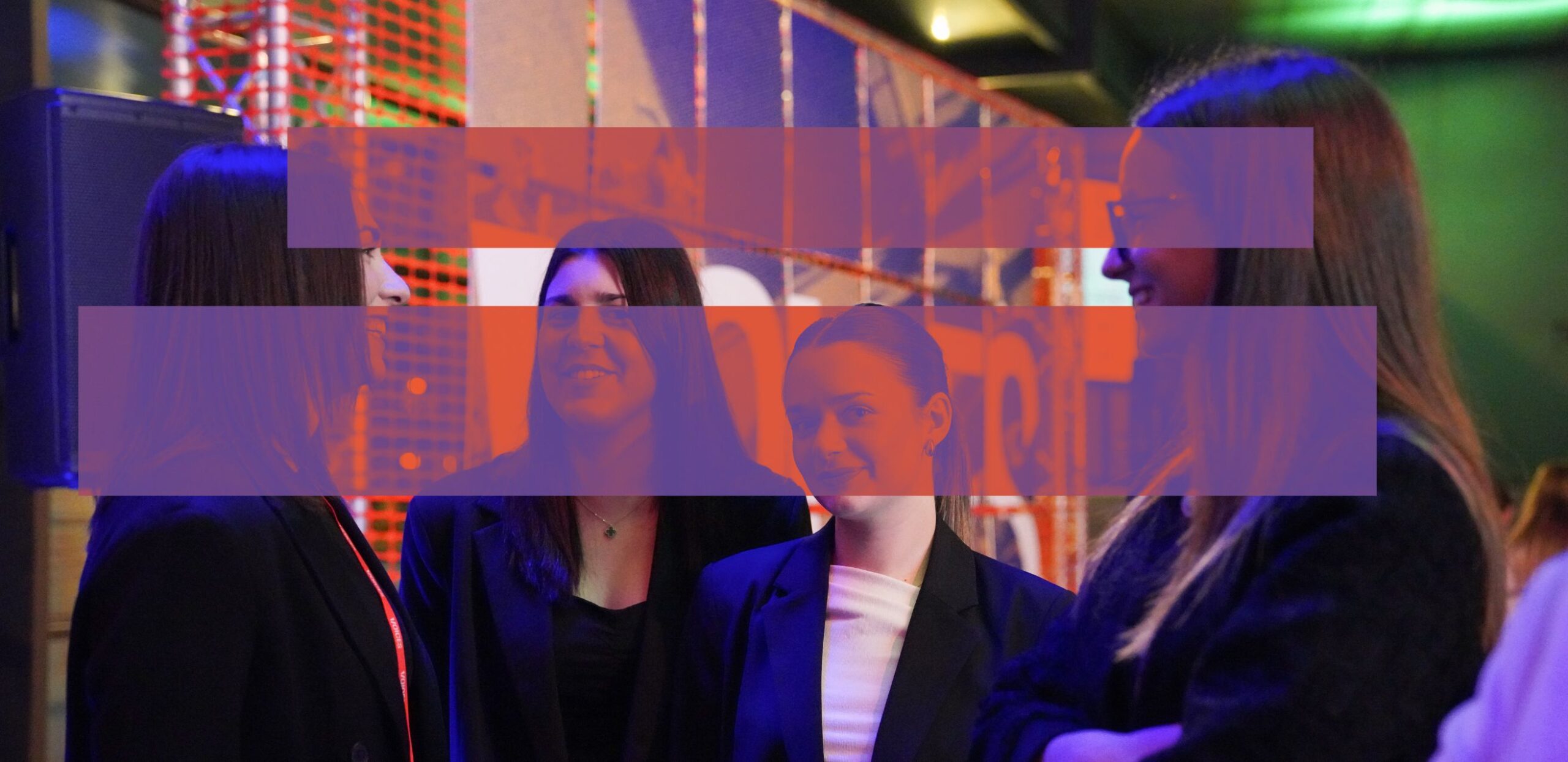
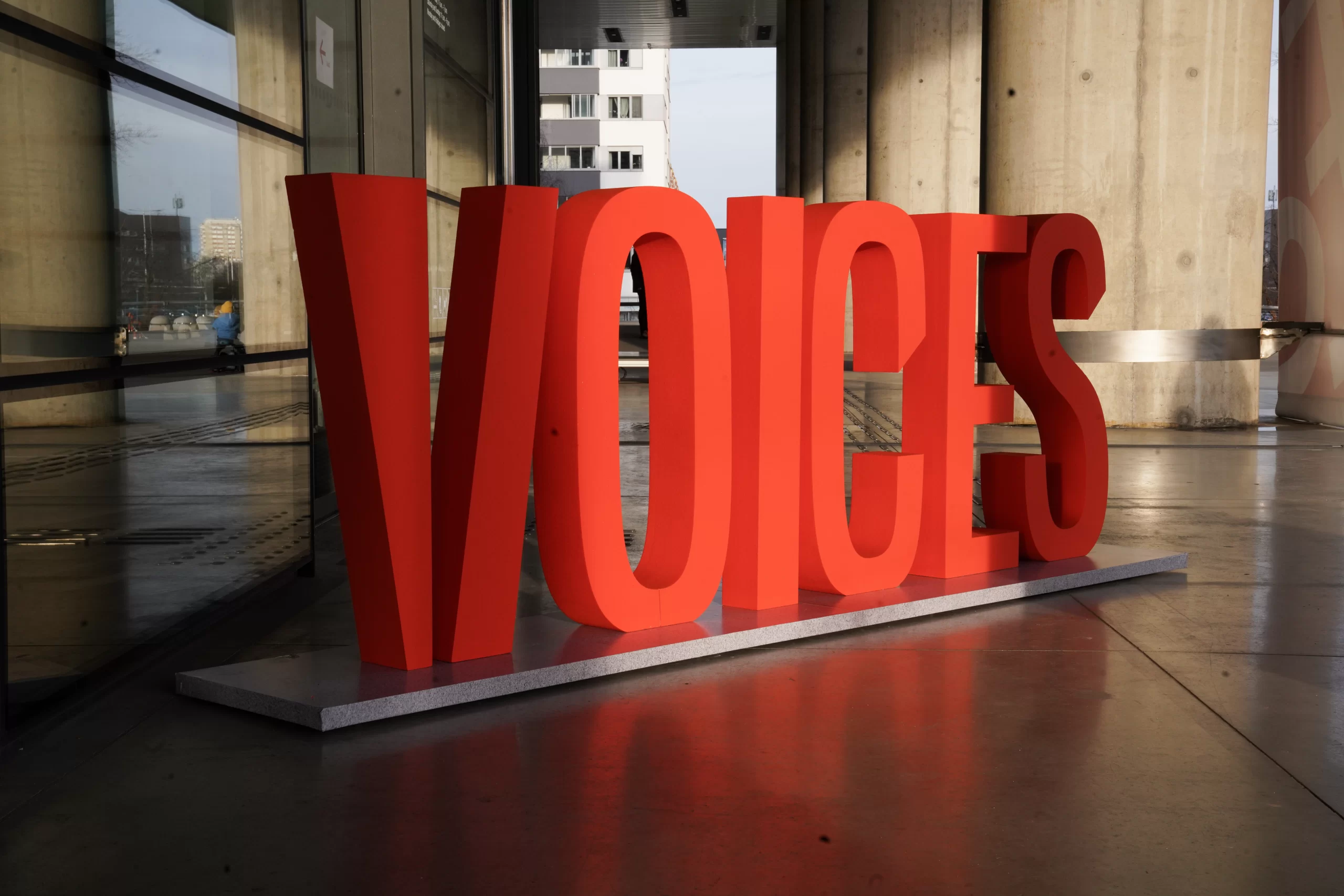
VOICES is back. After energising Florence in 2024, Zagreb in 2025, and Florence again in 2026, the European Festival of Journalism and Media Freedom is heading to Thessaloniki for its next edition from 26 to 28 November 2026 for three days of exchange, creativity and public debate. Funded by the European Commission, Voices is an exciting platform that brings together journalists, media professionals, and citizens to spark conversations about media literacy and foster critical thinking in today’s information-driven world.
Each year, the festival travels across different European cities, spotlighting media freedom and literacy as key pillars of democratic societies. This dynamic approach enables participants to explore diverse perspectives, exchange best practices, and foster cross-cultural dialogue. By involving local communities, Voices creates a space where both international experts and young, media-active residents, including students, come together to collaborate. The goal is to inspire a sense of shared responsibility and ownership in every host city.
A Festival Built on Strong Collaborations
EAVI coordinates voices in partnership with six prominent European organisations: European University Institute‘s Centre for Media Pluralism and Media Freedom, the European Broadcasting Union, the European Federation of Journalists, Deutsche Welle, Lie Detectors, and Savoir*Devenir. This diverse collaboration ensures that the festival tackles today’s media challenges through a multi-stakeholder approach, drawing on expertise from journalists, media researchers, public service media, and media literacy experts. Together, these partners make Voices Europe’s first central platform for deliberation on media issues, offering valuable insights to professionals, decision-makers, and citizens alike.
A Dual Focus: Journalism and Media Literacy
What sets Voices apart is its dual focus on the future of journalism and the critical role of media literacy. The festival explores how journalism is evolving in a fast-paced digital landscape and how we can equip citizens with the tools to understand, navigate, and use media responsibly. By addressing both of these interconnected themes, Voices aims to empower people with the skills and knowledge needed to engage critically with media content and understand the shifting dynamics of journalism.
EAVI at Voices – Florence, 10-12 March 2026
As the partner responsible for media literacy at Voices, EAVI coordinated two dedicated panel discussions. The first, “The Human Code: AI and Digital Wellbeing“, moved beyond the technical aspects of artificial intelligence to reflect on its deeper impact on our perception of reality, trust and human wellbeing. As deepfakes, disinformation and algorithmic systems reshape the way we access and interpret information, the panel explored what this means for citizenship, identity and our ability to navigate a machine-mediated world. The second, “Hypnocracy: Between Manipulation and Power – How to Navigate the New Reality“, explored how narratives, technology and power interact in shaping our perception of reality in the digital age. Drawing on the concept of “hypnocracy”, the conversation reflected on how power can operate through narratives that soothe, distract or subtly guide public perception, and what this means for democratic debate, media literacy and public trust.
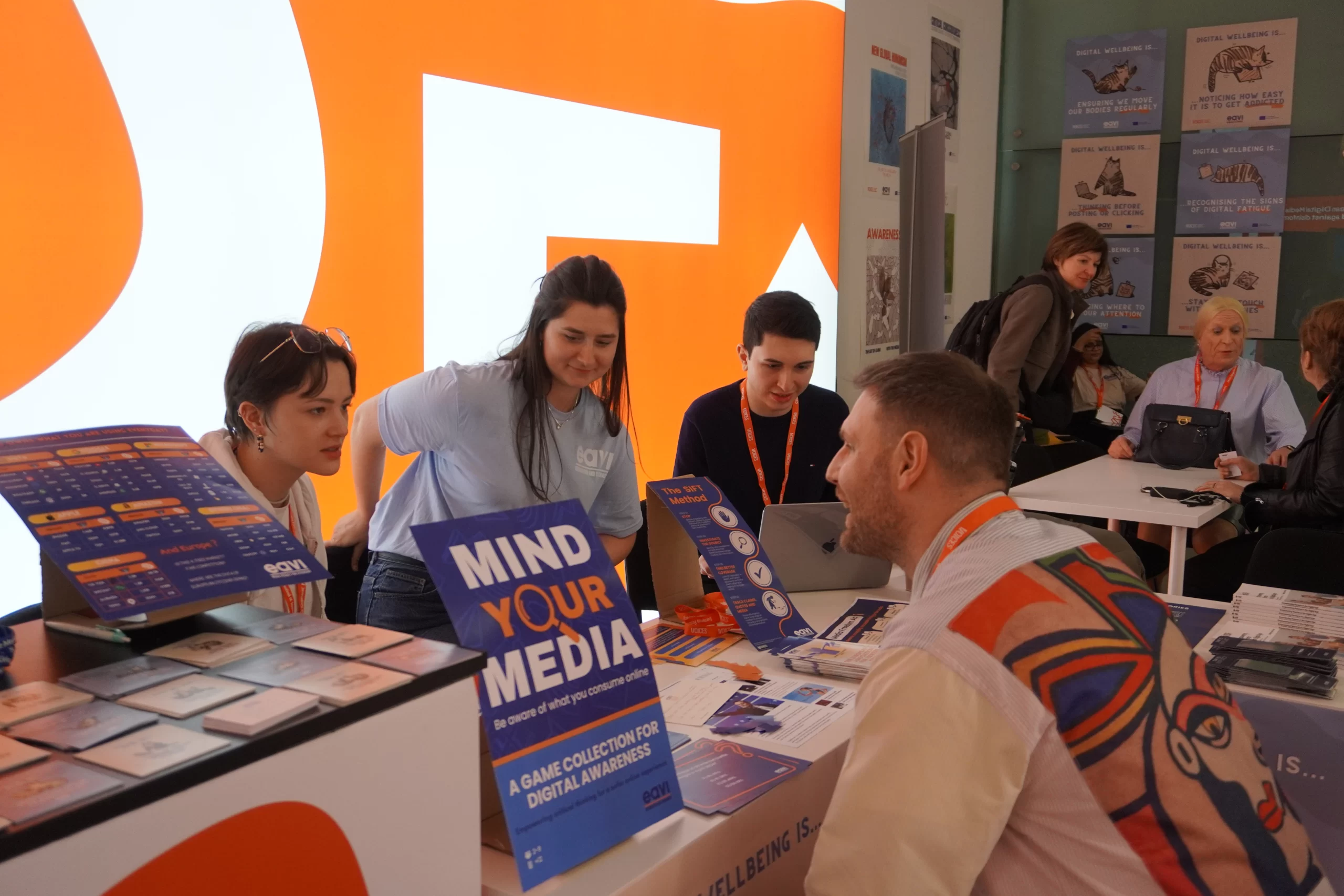
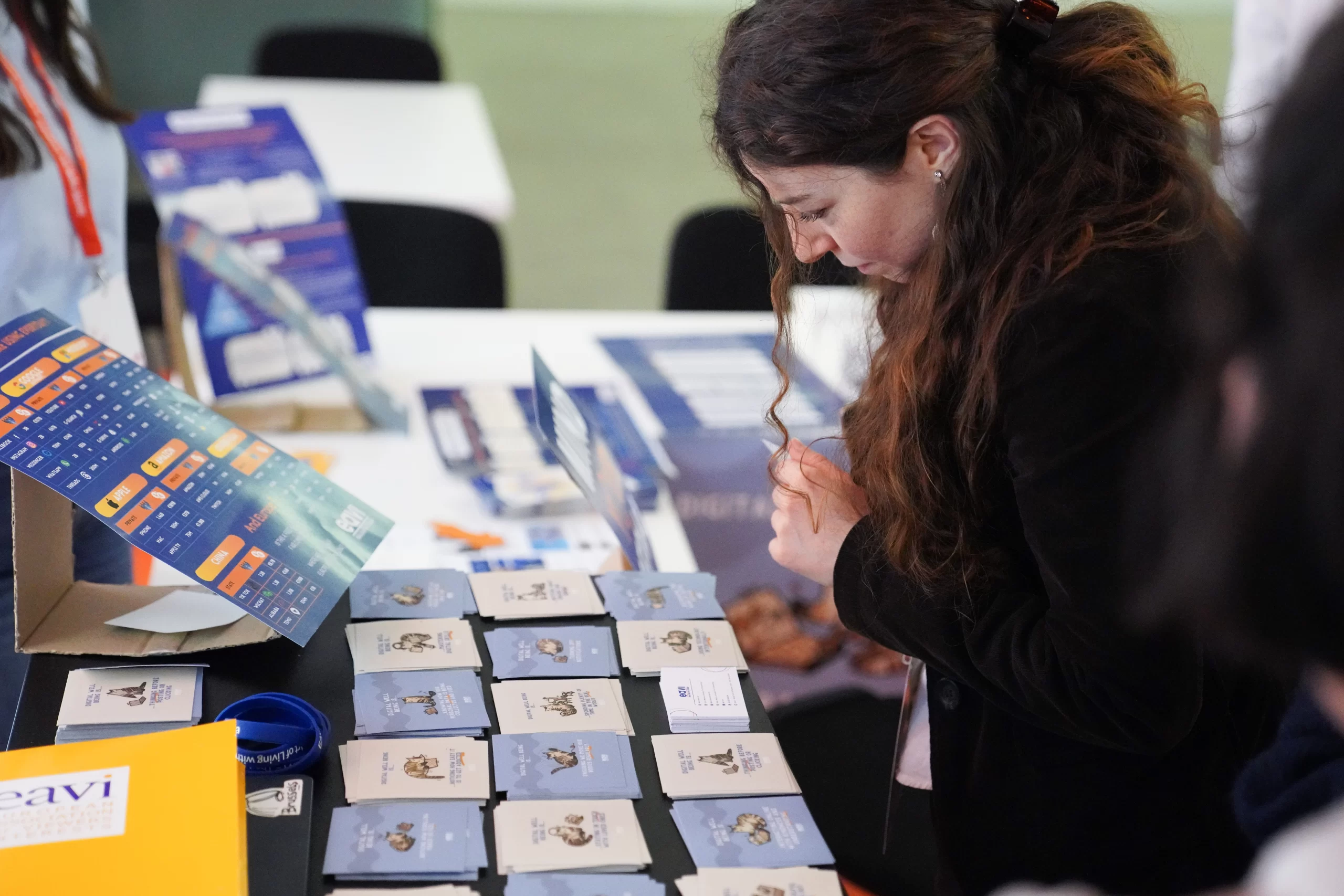
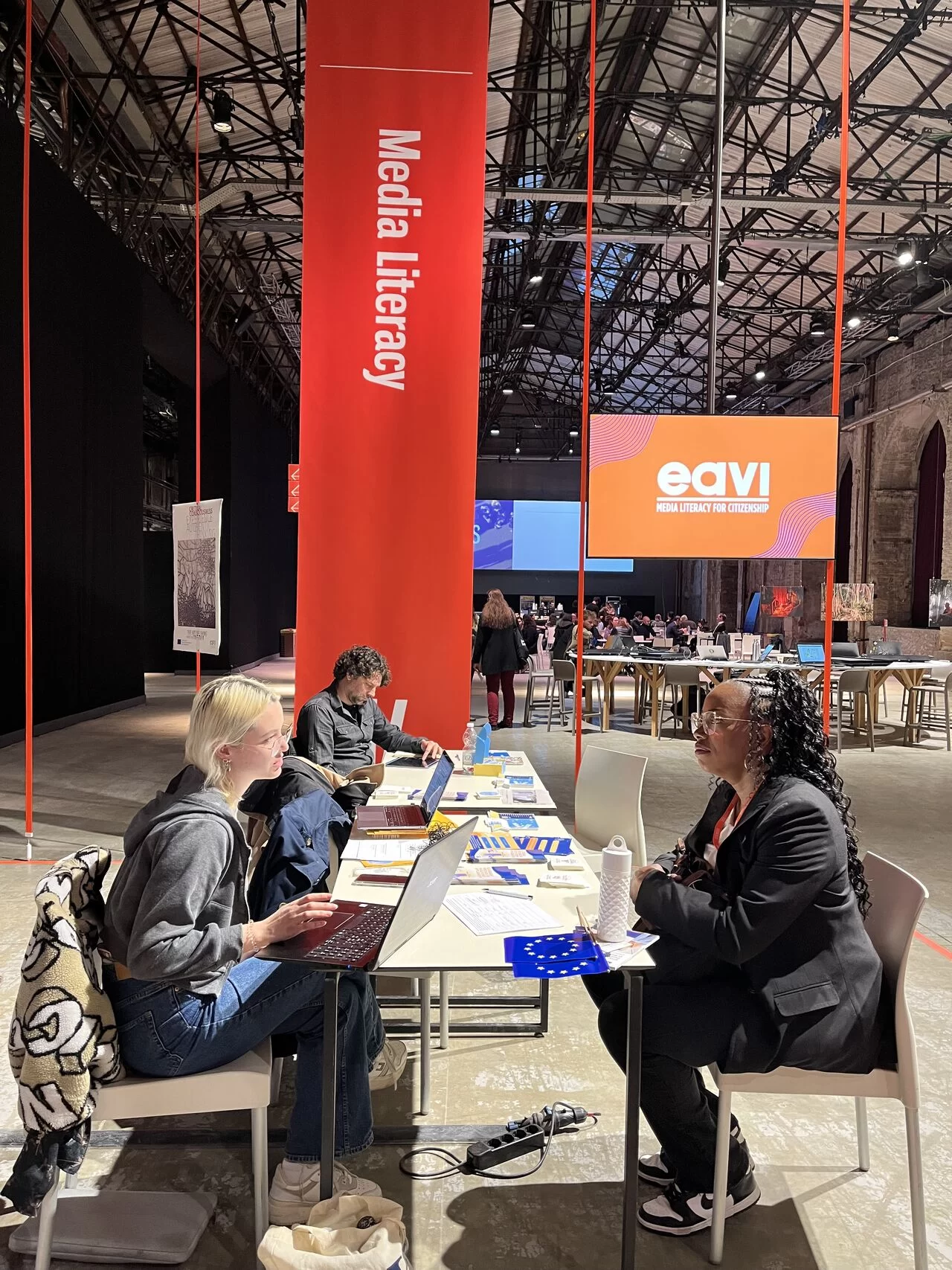
EAVI also organised the Festival’s Fair Space, a large, interactive area welcoming all visitors upon entering the venue. Bringing together international organisations, award-winning projects, and citizens to explore today’s most pressing media issues, the space featured games, surveys, infographics, videos, and educational tools on AI literacy, disinformation, digital wellbeing, Big Tech and democracy, social media, journalism, and media freedom. It also included a dedicated Meet & Greet Corner, where Festival speakers engaged directly with participants after their panels, providing a productive area for further dialogue and exchange. The zone brought together representatives from the OSCE Representative on Freedom of the Media, the Council of Europe, Deutsche Welle, and Savoir Devenir, as well as students from the Erasmus Student Network Florence and the Voices Media Literacy Awardees.
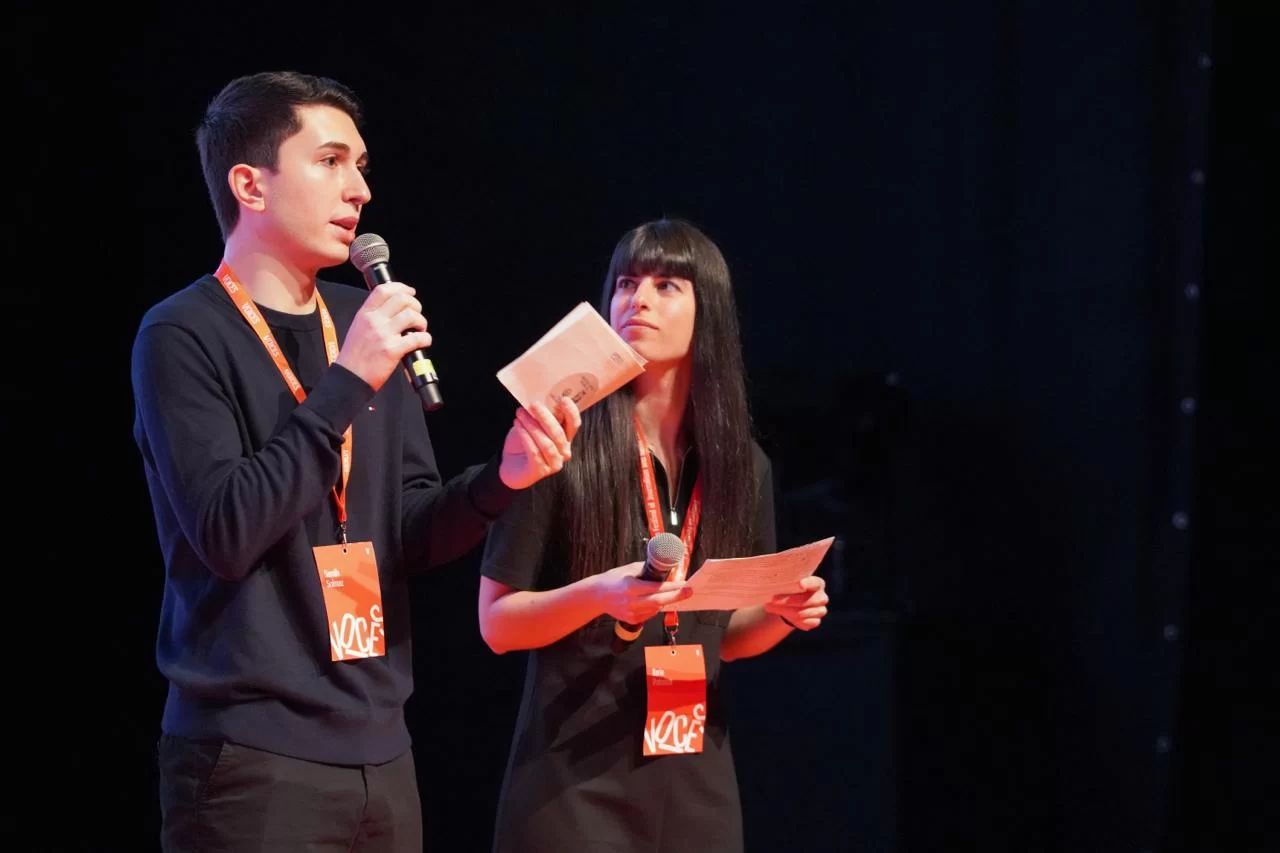
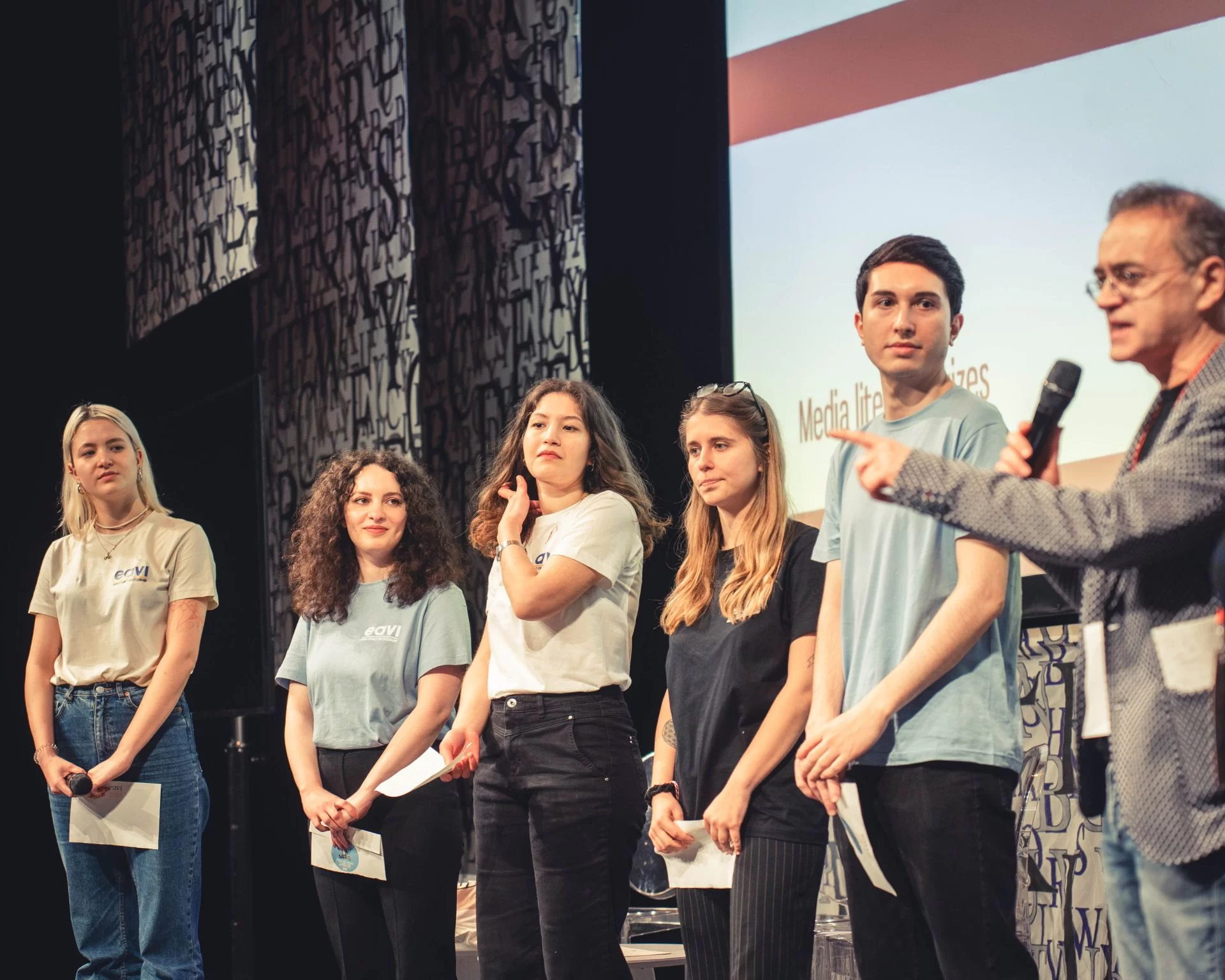
Together with the European University Institute, EAVI was also involved in organising the Voices Awards. The Awards ceremony, held on 11 March and presented by EAVI’s General Manager Semih Solmaz and CMPF Deputy Director Elda Brogi, celebrated 25 outstanding achievements in journalism and media literacy across seven categories: Radio and Podcast Journalism, Video and Documentary Journalism, Digital Storytelling and Social Media, Cartoons and Comics, Photojournalism, Media Literacy, and the Lorenzo Natali Prize. Each winner received a €1,200 prize, and a Grand Prix was additionally awarded to the National Union of Journalists of Ukraine.
Voices in Thessaloniki and Beyond
The fourth edition of Voices will take place in Thessaloniki, from 26-28 November 2026. EAVI will again coordinate two media literacy discussion sessions, with one session held in Greek to encourage local engagement. The first will explore digital wellbeing in the age of AI and Big Tech, examining how platform architectures shape behaviour and what it would take to realign digital ecosystems with the wellbeing of citizens; the second will focus on growing up online, empowering parents and children to co-create healthy, balanced approaches to digital engagement.
Further information on free tickets, the programme, speakers and the Awards can be found on the Voices website. We look forward to welcoming participants to Thessaloniki. A further edition is planned for Leipzig in 2027.
Can’t wait? Have a look at the highlights from the previous editions below!
ZAGREB 2025
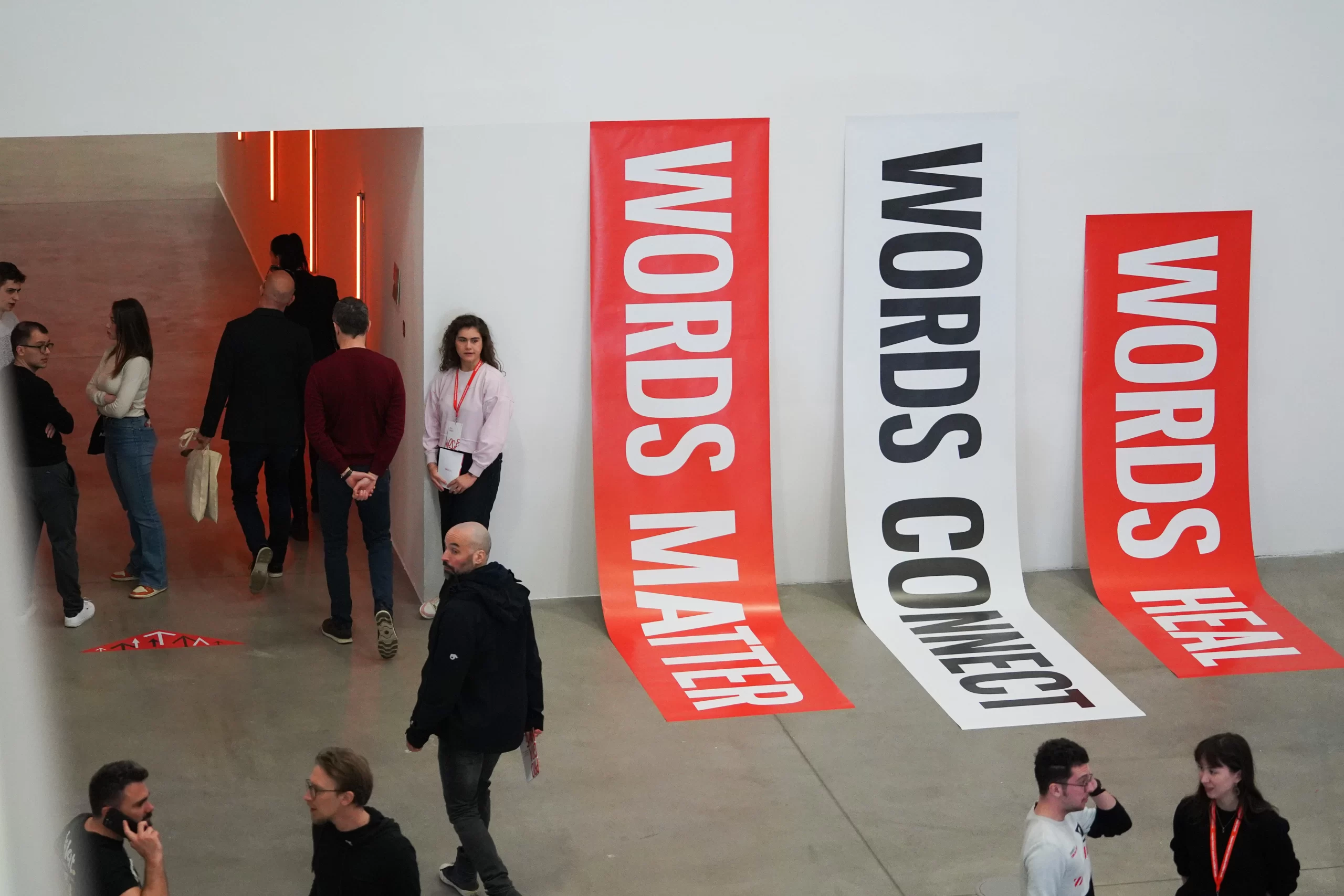
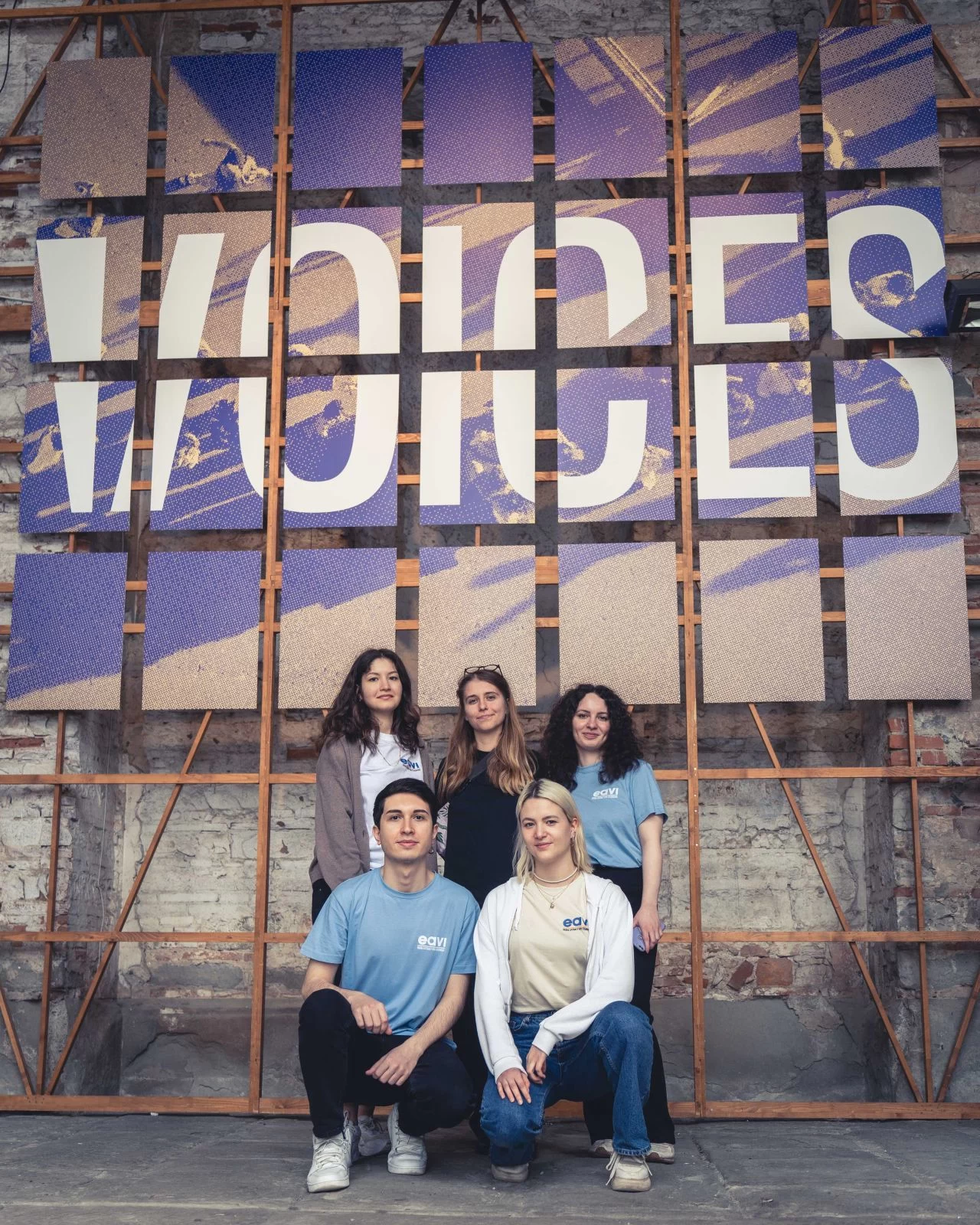
Building on the success at Florence, the Zagreb edition expanded the festival’s impact, bringing together a wide range of stakeholders to discuss pressing media literacy topics. EAVI played a central role in the festival, particularly in the Media Literacy Area, which gathered 26 representatives from various organisations to explore key issues shaping digital citizenship.
EAVI contributed to a roundtable discussion on media policies and their societal impacts. Additionally, EAVI coordinated several debates on AI and Disinformation, Digital Wellbeing, and Digital Parenting, and participated in the screening of The Click Trap and the discussion afterwards on clickbait and manipulative digital content. EAVI was also part of the Media Literacy Awards ceremony, recognising impactful initiatives that promote media literacy and critical thinking. You can find the full programme of the Zagreb edition here.
Below, you can access some of the interviews that were conducted during the second edition of the Festival with panel speakers, festival participants, media literacy awardees, and activists:
Dr Letitia Parcalabescu advocates making computer science a mandatory subject, like math. And it’s not just for kids: older generations need stronger digital literacy, too.
Lee Hibbard and Boris Jokić share their thoughts on digital media literacy and who gets left behind in today’s online world.
Eva Hofman brings students back to awareness with a straightforward exercise: “analyse what you are watching”. Who made them? Why are you seeing them?
Prof. Antonio Lopez emphasised that in media literacy, focusing only on problems can leave people feeling powerless. Instead, education should inspire solutions, creativity, and action.
Dr Elizabeth Milovidov, Hana Korinčić, and Genie Godula shared their thoughts on the FOMO.
Prof. Giovanni Spitale discusses how to navigate an AI-driven information ecosystem.
Prof. Boris Jokić about the role of media literacy in the democratisation of societies.
To know more, visit the festival website.
FLORENCE 2024
The inaugural edition of the Festival took place at the iconic Leopolda Station in Florence in March 2024, with the participation of more than 1300 people. EAVI was the coordinator of all the media literacy activities, including but not limited to
1) The panel discussions on media literacy topics such as artificial intelligence, digital well-being, digital parenting, and the global perspectives on media literacy.
2) The workshops such as Educare al pensiero critico and Corpi digitali in rivolta
3) the Media Literacy Stand which functioned as a media literacy information hub for the participants
4) The evaluation of the Media Literacy Awards applications and the presentation of the ceremony.
Below, you can access the EAVI Interview Series that was conducted during the first edition of the Festival with a number of people, including the panel speakers, Festival participants, media literacy awardees, and activists:
Lee Hibbard and Maria Farrell – Artificial Intelligence
Elizabeth Milovidov – Digital Parenting
Maura Gancitano – Philosophy in the Digital Age
Fabio Mauri – Fake News and Humour in Digital Media
Diletta Bellotti – Digital Bodies Revolting
Nicola Bruno – ML Multipliers Award
“This is a unique opportunity to promote media literacy in Europe to our Stakeholders and engage with young people.”
 PAOLO CELOT, Founder and Director at EAVI